







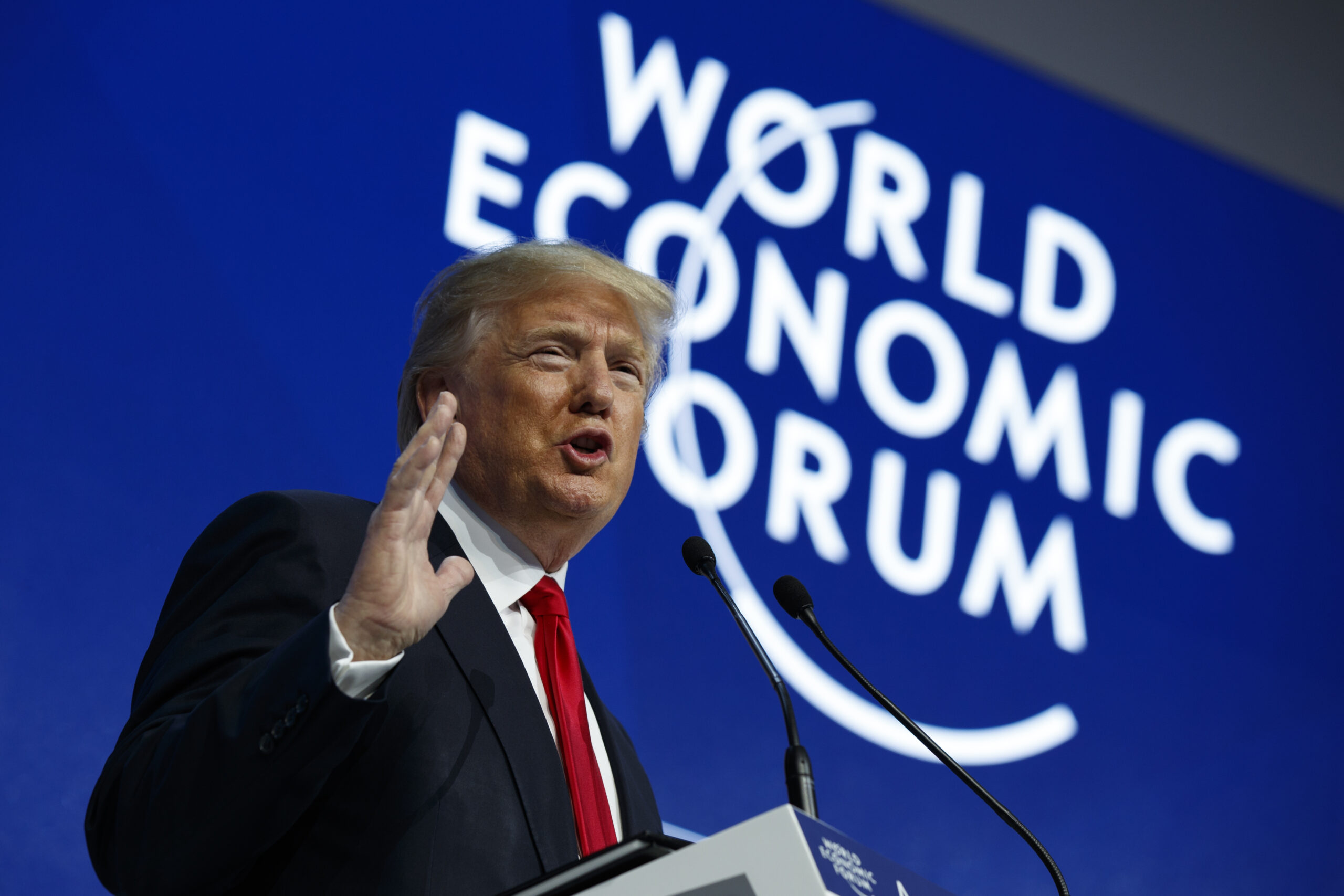
Davos, Switzerland — Addressing global political and business leaders at the World Economic Forum (WEF) 2026, former U.S. President Donald Trump sought to ease international concerns by stating that the United States would not use military force to acquire Greenland. He also firmly rejected claims that Washington’s interest in the Arctic territory posed any kind of threat to the NATO alliance.
Trump’s remarks came during a high-profile session at Davos, where geopolitical stability, global security, and economic uncertainty dominated discussions. His comments were widely seen as an attempt to clarify earlier statements and speculation that had triggered unease among European allies, particularly Denmark, under whose sovereignty Greenland remains a self-governing territory.
Emphasis on Diplomacy, Not Coercion
Speaking to the audience, Trump underlined that any U.S. engagement regarding Greenland would be pursued through diplomacy and dialogue, not coercion or force.
“There is no need to use force, and there will be no force,” he said, adding that strategic cooperation should always take precedence over confrontation.
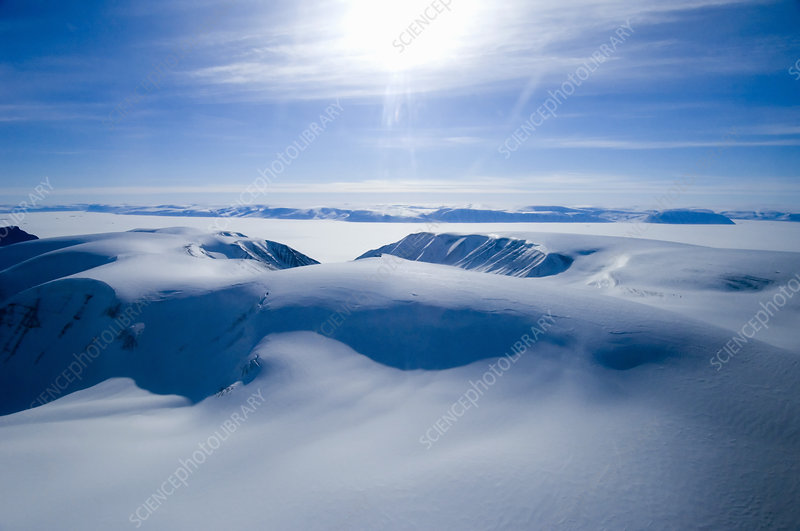
Greenland’s geographic position in the Arctic makes it strategically significant, especially as melting ice opens new shipping routes and intensifies competition among global powers. The island also hosts key U.S. military infrastructure, including air and missile-tracking facilities, reinforcing its importance in American defense planning.
However, Trump stressed that recognizing Greenland’s strategic value does not translate into aggressive intent. He said the United States respects international norms and alliances while safeguarding its long-term security interests.
NATO Unity Remains Intact
Trump also pushed back against suggestions that his comments undermined NATO or threatened transatlantic unity. He emphasized that NATO remains a cornerstone of collective defense and that U.S. policy toward Greenland should not be misinterpreted as hostile to European partners.
According to Trump, cooperation within NATO is essential at a time when global security challenges are becoming more complex. He reiterated that Washington expects fair burden-sharing among allies but remains committed to the alliance’s core principles.
Analysts at Davos noted that Trump’s clarification appeared designed to reassure European leaders who had expressed concern over any suggestion of unilateral action in the Arctic region.
Greenland’s Strategic Importance
Greenland, the world’s largest island, has increasingly drawn international attention due to its strategic location, natural resources, and proximity to emerging Arctic trade routes. Climate change has accelerated interest in the region, making Arctic security a growing focus for NATO and non-NATO countries alike.
Denmark and Greenlandic leaders have consistently stated that the island is not for sale and that any decisions regarding its future must involve the people of Greenland. Trump acknowledged this position, noting that dialogue and cooperation are the only viable paths forward.
European Reactions and Global Context
European officials attending the World Economic Forum welcomed Trump’s assurance that the U.S. would avoid force. While some leaders remain cautious about Washington’s long-term intentions in the Arctic, many see the Davos remarks as a step toward stabilizing relations.
The broader geopolitical context also played a role in shaping the discussion. Rising tensions between major powers, increased militarization of the Arctic, and competition over resources have heightened the need for clear communication among allies.
By ruling out military action, Trump aimed to position the United States as a responsible actor seeking strategic advantage through partnerships rather than confrontation.
Implications for Arctic and Global Security
Experts believe Trump’s comments could influence future debates on Arctic governance and NATO’s role in the region. As climate change reshapes global trade routes and security priorities, cooperation among allies will be critical to preventing conflict.
Trump’s statement at Davos suggests an attempt to balance America’s strategic interests with diplomatic reassurance, a message likely intended for both domestic and international audiences.
Conclusion
The World Economic Forum 2026 provided a crucial platform for Trump to clarify U.S. intentions regarding Greenland and NATO. By ruling out the use of force and rejecting claims of a threat to the alliance, he sought to reduce tensions while reaffirming America’s strategic priorities.
Whether these assurances translate into long-term policy stability remains to be seen, but for now, Trump’s Davos remarks have added a note of caution, diplomacy, and reassurance to an increasingly sensitive geopolitical issue.