










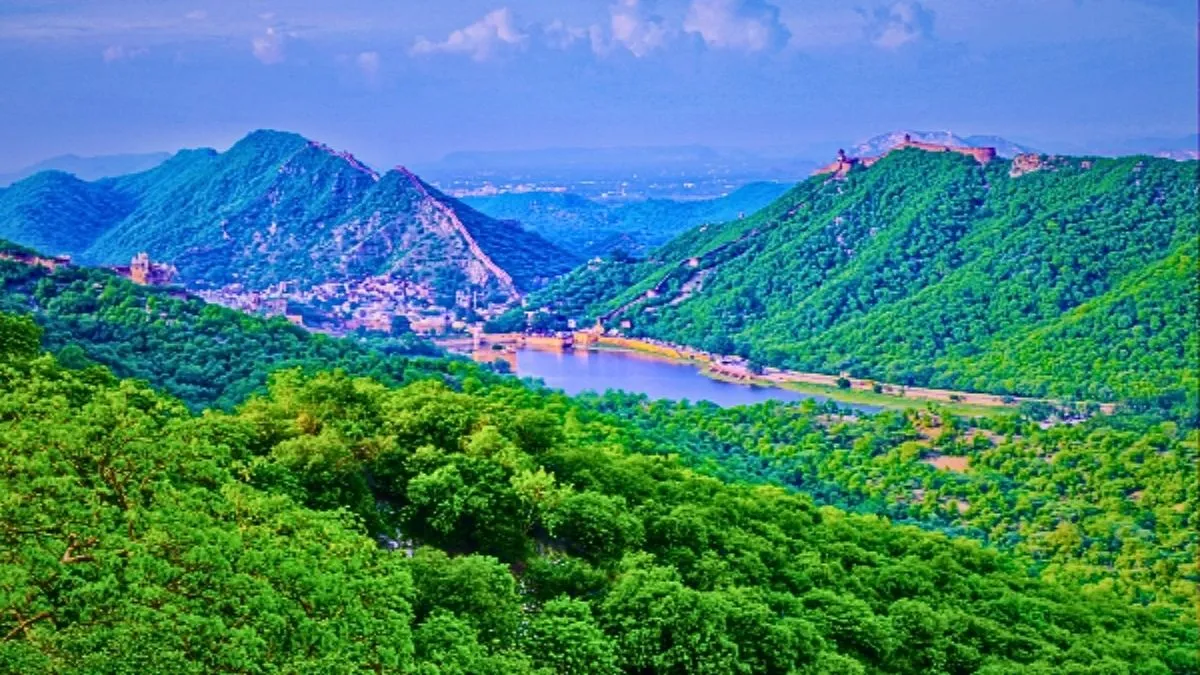
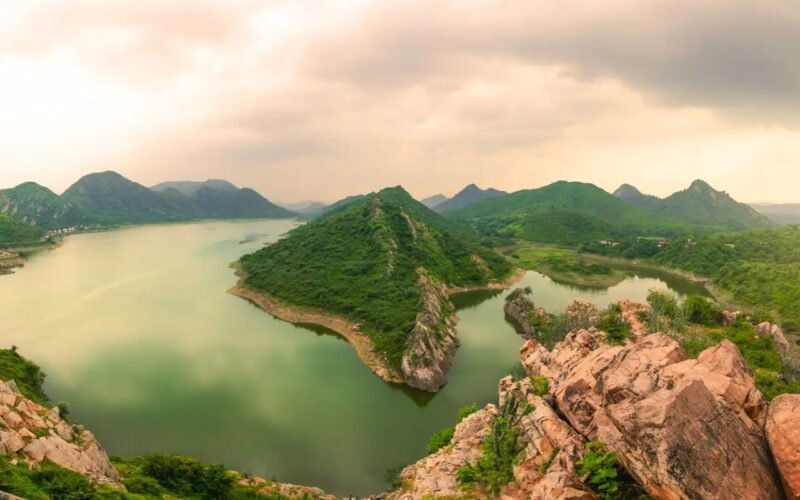
New Delhi: In a major step aimed at environmental conservation, the Central Government has imposed a complete ban on granting new mining leases in the Aravalli Range. Along with the ban, the government has also announced plans to expand the protected zone across the ecologically sensitive hill system that stretches across several northern Indian states.
According to official sources, the decision has been taken to prevent further environmental degradation caused by mining activities in the Aravallis, one of the oldest mountain ranges in the world. The region plays a crucial role in maintaining ecological balance, preventing desertification, recharging groundwater, and supporting biodiversity.
Expansion of Protected Areas
The Ministry of Environment, Forest and Climate Change has indicated that additional areas within the Aravalli belt will be identified and notified as protected or no-mining zones. Scientific and technical institutions have been tasked with mapping ecologically fragile regions to ensure long-term conservation of forests, wildlife habitats, and water sources.
Existing Mining Operations Under Scrutiny
While the ban applies strictly to new mining leases, existing mining operations will be allowed to continue only under stringent environmental conditions. These projects will be required to comply with environmental clearances, court directives, and sustainable mining norms. Any violation could result in suspension or cancellation of permits.
Environmental Concerns Behind the Decision
Unregulated and illegal mining in parts of the Aravallis has been linked to deforestation, falling groundwater levels, air pollution, and loss of wildlife corridors. Environmental experts have repeatedly warned that continued mining could irreversibly damage the region and worsen climate vulnerability in nearby urban and rural areas.
Mixed Reactions
Environmentalists have welcomed the move, calling it a long-overdue step to safeguard a critically important ecological zone. However, some industry stakeholders and state authorities have raised concerns about its economic impact, particularly on construction material supply and local employment.
Way Forward
The Centre has emphasized that sustainable development remains a priority and that environmental protection must go hand in hand with responsible economic activity. Clear guidelines and monitoring mechanisms are expected to be introduced to ensure effective implementation of the ban and expansion of protected zones.
IN Summary, the government’s decision marks a significant policy shift towards strengthening environmental protection in the Aravallis, reinforcing its commitment to preserving natural ecosystems for future generations.