




In a significant but controversial diplomatic development on the global stage, Iran has publicly thanked India for opposing a resolution at the United Nations Human Rights Council (UNHRC) that sought to increase international scrutiny of Iran’s human rights record. The exchange highlights the complex interplay of geopolitics, human rights concerns, and international diplomacy as nations navigate competing priorities in multilateral institutions.
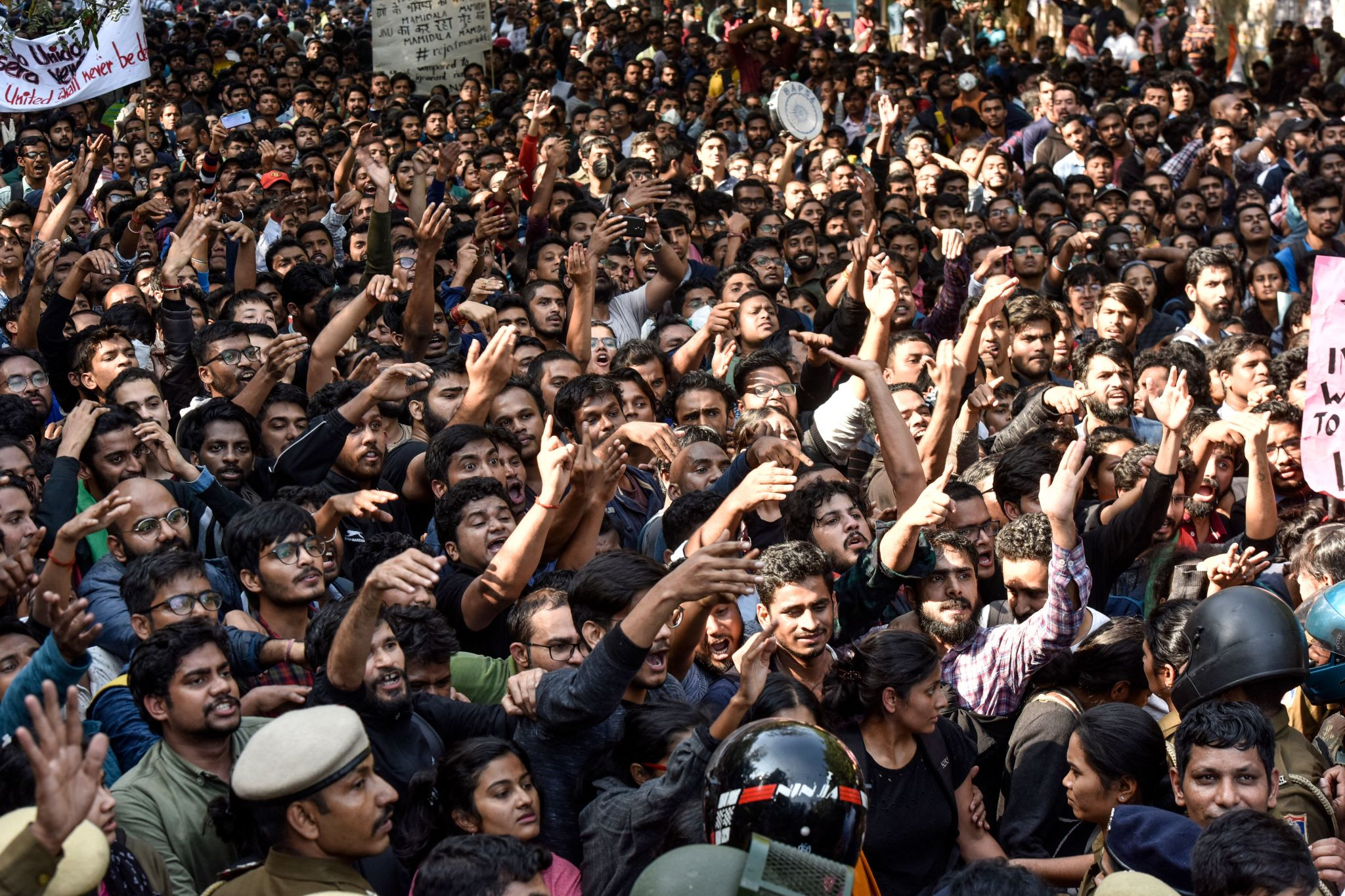
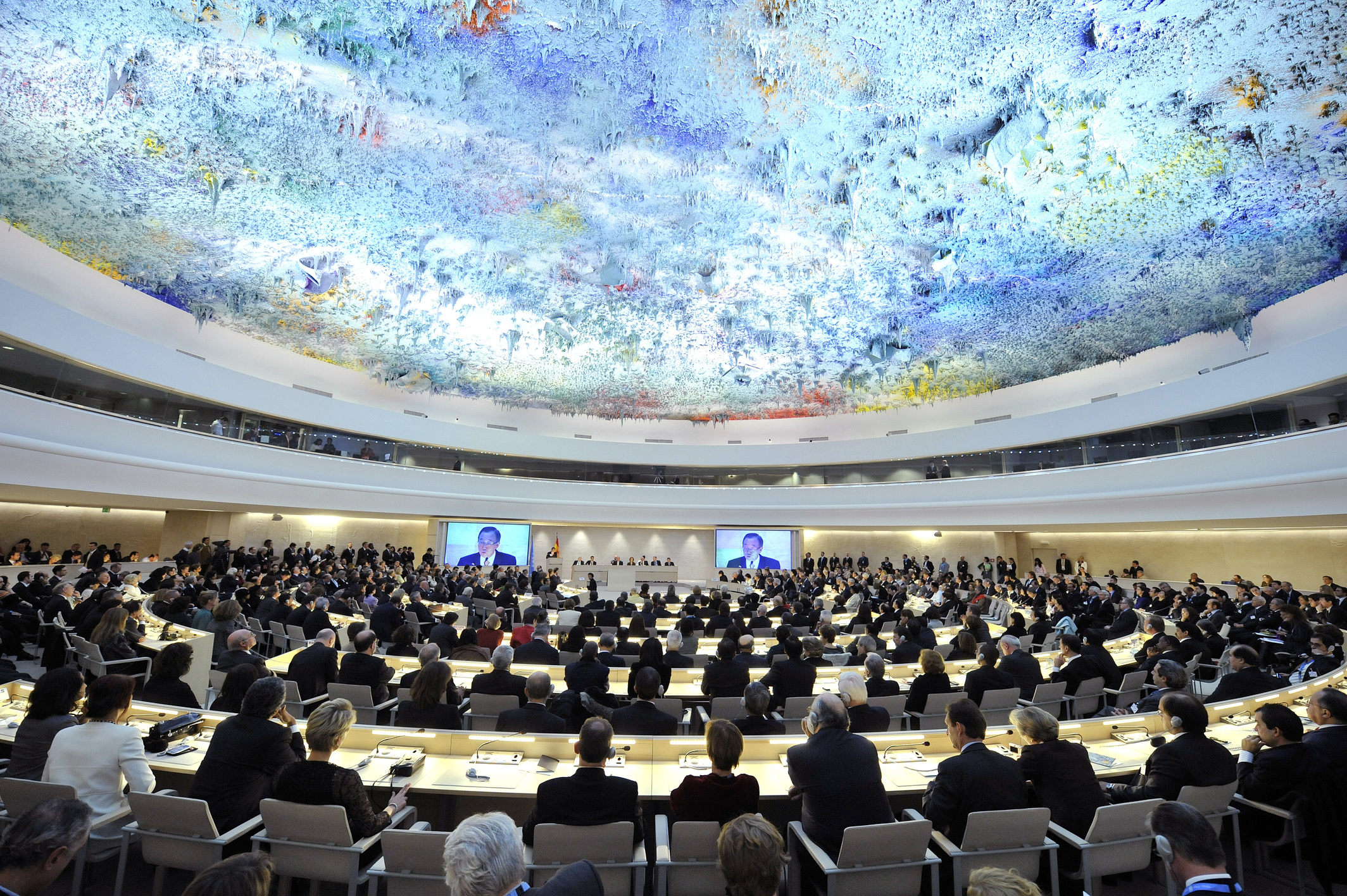
The resolution in question was adopted by the UNHRC during its 39th Special Session, held on January 23, 2026, and focused on the situation in Iran following widespread protests that erupted in December 2025. The protests, driven by economic grievances, political dissatisfaction, and broader demands for reform, triggered a harsh response from Iranian authorities, drawing international condemnation and a push for accountability.
What the Resolution Proposed
The adopted resolution at the UNHRC strongly condemned the violent repression of protesters by Iranian security forces — describing killings, arbitrary detentions, and other abuses — and extended the mandate of an independent international fact-finding mission for another two years. It also renewed the term of the UN’s Special Rapporteur on the human rights situation in Iran for an additional year.
The text called on Iran to respect its human rights obligations, investigate allegations of extrajudicial killing, torture, arbitrary arrests, disappearances, and to provide safe access for human rights monitors. This resolution was backed by 25 UN member states, including many Western and global South countries, indicating widespread concern about the recent unrest and Tehran’s response.
India’s Vote Against the Resolution
Among the 47 member states of the UNHRC, seven countries voted against the resolution, with India being one of them. Fourteen countries chose to abstain. India’s decision to oppose the resolution — rather than abstain — was noteworthy, especially given that India has historically tried to balance its principles of non-interference with its professed commitment to human rights.
In its statement justifying the vote, the Indian delegation argued that the resolution was selective and politically motivated, suggesting that it targeted Iran disproportionately while overlooking other global human rights issues. Indian officials emphasized that engagement and dialogue — not condemnation — were more constructive paths toward improving human rights conditions. Critics of the resolution also expressed concern that such measures risked undermining the sovereignty of a nation facing internal challenges.
India was joined in its opposition by a small group of countries including China, Pakistan, Vietnam, and Indonesia, underscoring a bloc of nations skeptical of what they view as Western-led initiatives that single out specific countries for political reasons. This diplomatic alignment reflects a broader debate over the role and reach of international human rights institutions.
Iran’s Expression of Gratitude
Following the vote, Iran’s Ambassador to India, Mohammad Fathali, issued a formal statement of gratitude toward New Delhi. In comments shared publicly on social media platform X (formerly Twitter), Ambassador Fathali said he extends “his sincere gratitude to the Government of India for its principled and firm support of the Islamic Republic of Iran at the UNHRC, including opposing an unjust and politically motivated resolution.”
Fathali further stated that India’s stance reflects its commitment to justice, multilateralism, and national sovereignty. Such language highlights Tehran’s appreciation not only for India’s vote but also for its broader diplomatic posture on international platforms. Iran framed India’s choice as one based on principles rather than convenience — a narrative Tehran hopes will underscore the strength of their bilateral relationship.
Iranian officials also underscored the long history of cultural, commercial, and political ties between Iran and India, stretching back thousands of years before the advent of Islam. Iranian representatives pointed to deep philosophical and educational exchanges between the two civilizations and suggested that historic interconnectedness informs the contemporary partnership between Tehran and New Delhi.
Reactions and Implications
India’s vote triggered a mixed response internationally. Supporters of the resolution welcomed the UNHRC’s decision as a necessary step toward accountability and human rights protection in Iran, arguing that international scrutiny is an essential check when domestic mechanisms fail. These advocates maintain that post-protest violence in Iran resulted in thousands of deaths, including women and children, a figure documented by rights groups and corroborated through independent investigations.
Conversely, critics of the resolution — including India and other opposing states — said the approach was ideologically driven and risked setting a precedent for external interference in sovereign affairs. They argued that a more balanced, dialogic approach could produce better outcomes without exacerbating tensions or feeding geopolitical rivalries.
For India, this vote comes at a time when it seeks to assert its role as a global power that champions a multipolar world order. New Delhi’s foreign policy often emphasizes strategic autonomy — the idea that it will make sovereign decisions without being pulled entirely by Western or any other bloc’s priorities. Supporting Iran, a key nation in West Asia and a neighbor with significant energy, economic, and security ties, aligns with India’s efforts to diversify its diplomatic engagements.
Looking Ahead
The diplomatic exchange surrounding the UNHRC resolution reveals ongoing tensions within the international system over human rights enforcement, national sovereignty, and geopolitical interests. Iran’s appreciation of India’s vote may strengthen bilateral ties in the short term, yet it also underscores the challenges global institutions face when addressing human rights crises that are deeply intertwined with internal state politics and global power dynamics.
As Iran continues to face internal unrest and external scrutiny, the world will be watching how both Iran and India navigate this complex diplomatic landscape — balancing calls for justice with principles of sovereignty and strategic cooperation.