








By Hindustan Trends
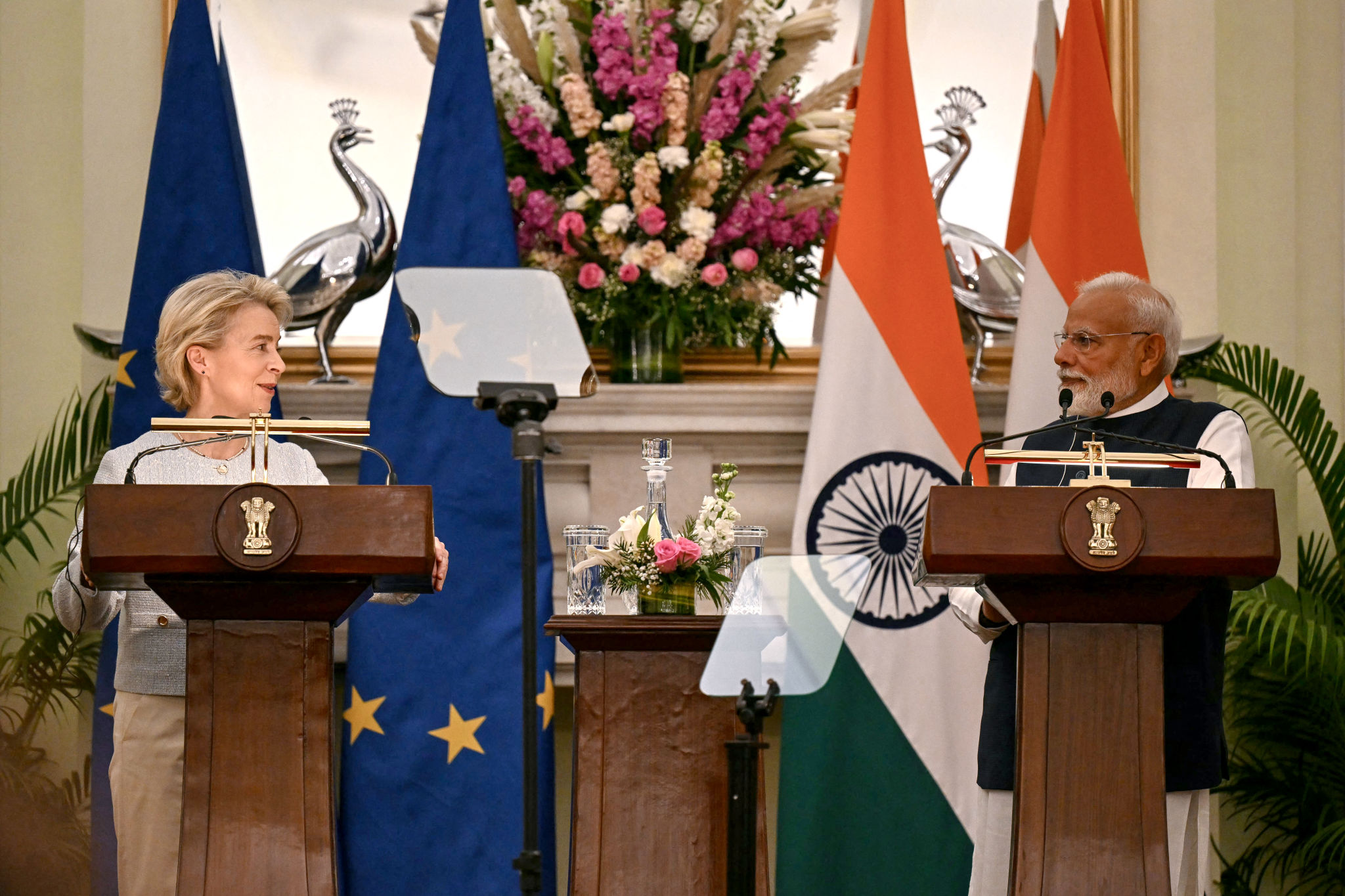
India and the European Union have taken a major step in reshaping global trade by finalising a historic Free Trade Agreement (FTA) that will cover nearly 99% of India’s exports to the European market. This landmark agreement is being described as one of the most comprehensive trade deals India has ever entered into, with the potential to significantly boost exports, attract investment, and strengthen long-term economic ties between the two sides.
According to policy experts tracked by Hindustan Trends, the deal comes at a crucial moment when global supply chains are being restructured and countries are seeking reliable trade partners to ensure economic stability and growth.
A Deal Years in the Making
Negotiations between India and the European Union have been ongoing for nearly two decades. Multiple rounds of talks were held over the years but faced repeated delays due to differences over tariffs, market access, labour standards, environmental rules, and intellectual property rights.
In recent years, however, both sides showed renewed political and economic intent to close the agreement. Changing global trade dynamics, rising geopolitical uncertainties, and the need to diversify trade partnerships played a key role in pushing the deal across the finish line.
The final agreement reflects compromises made by both sides while keeping long-term economic benefits in focus.
What the Agreement Covers
The most striking feature of the India–EU trade deal is its scale and depth. Once implemented, around 99% of Indian exports by value will receive preferential or zero-duty access to European markets. In return, India will gradually reduce tariffs on approximately 97% of European exports.
Key Indian sectors expected to gain include:
- Textiles and apparel
- Engineering goods
- Pharmaceuticals
- Chemicals and plastics
- Gems and jewellery
- Marine products and processed food
For exporters, especially small and medium enterprises, the reduction in tariffs could translate into better pricing, higher demand, and stronger competitiveness in international markets.
Big Boost for Indian Exports
The European Union is one of India’s largest trading partners, offering access to a high-value consumer market with strong purchasing power. With lower trade barriers, Indian products are expected to gain a significant edge over competitors from other regions.
Analysts quoted by Hindustan Trends believe the deal could help India move closer to its long-term export targets while also supporting domestic manufacturing initiatives. Labour-intensive sectors like textiles and footwear are likely to benefit the most, creating new employment opportunities across the country.
Additionally, improved trade rules and simplified compliance procedures are expected to reduce logistical hurdles faced by Indian exporters.
What Europe Gains from the Deal
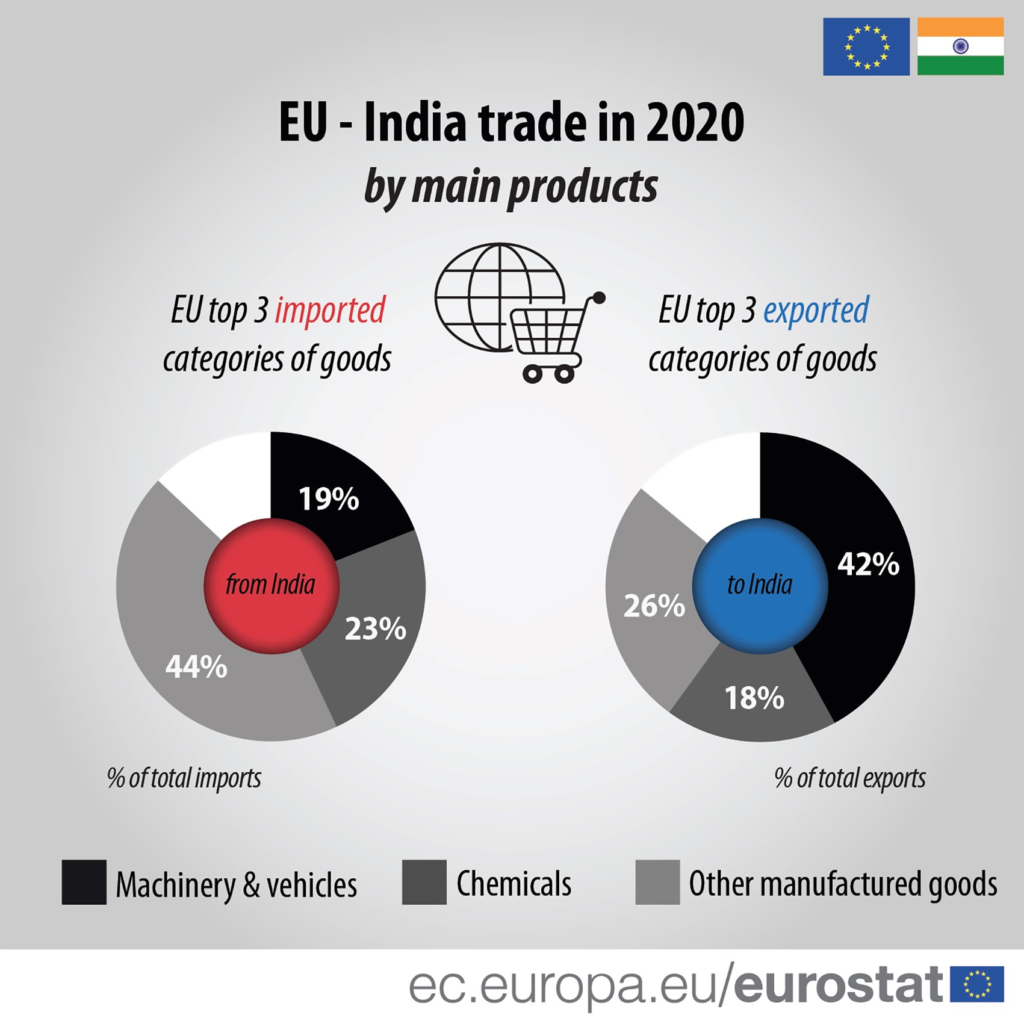
The agreement is equally important for European businesses. India’s fast-growing economy, large population, and expanding middle class make it one of the most attractive markets globally.
European exporters are set to benefit from reduced duties on:
- Machinery and industrial equipment
- Automobiles and auto components
- High-end consumer goods
- Green technology and renewable energy solutions
The deal is also expected to encourage greater European investment in India, particularly in clean energy, infrastructure, digital technology, and advanced manufacturing.
Strategic Importance Beyond Trade
Beyond economics, the India–EU trade agreement has strong strategic significance. At a time when protectionism and trade disruptions are increasing worldwide, the deal sends a clear message in favour of open markets and cooperation.
The agreement is expected to strengthen supply-chain resilience and reduce dependence on limited trading partners. It also reinforces India’s position as a key global manufacturing hub and a reliable economic partner.
As observed by Hindustan Trends, the deal could play a critical role in shaping future trade frameworks between major economies.
Challenges and Concerns
Despite its advantages, the agreement has raised some concerns. Certain domestic industries fear increased competition from European imports. There are also debates around environmental standards, labour compliance, and data protection norms.
Experts suggest that a phased implementation approach will help Indian industries adjust while allowing policymakers to address sector-specific challenges. Proper safeguards and support measures will be essential to ensure balanced growth.
Implementation Timeline
While the agreement has been politically finalised, it will still undergo legal review and approval processes. The deal is expected to be implemented in phases, giving businesses time to adapt to the new trade environment.
Once fully operational, the agreement could redefine India–EU economic relations for decades.
Conclusion
The India–EU Free Trade Agreement marks a turning point in India’s global trade journey. By covering 99% of exports, the deal opens new doors for Indian businesses, strengthens economic resilience, and enhances India’s standing in the global marketplace.
As Hindustan Trends continues to track developments, this agreement is expected to emerge as a cornerstone of India’s long-term trade and growth strategy.