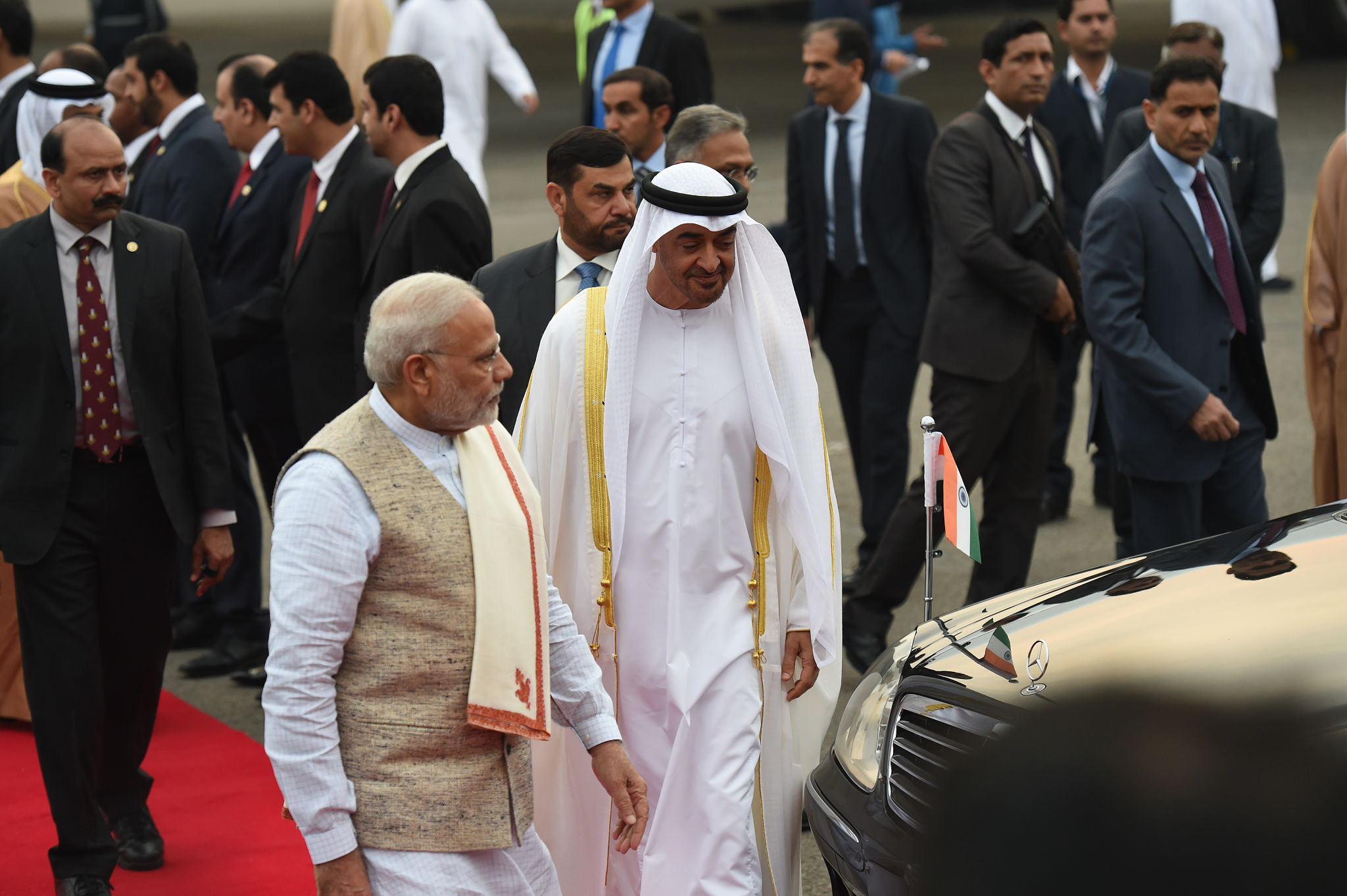




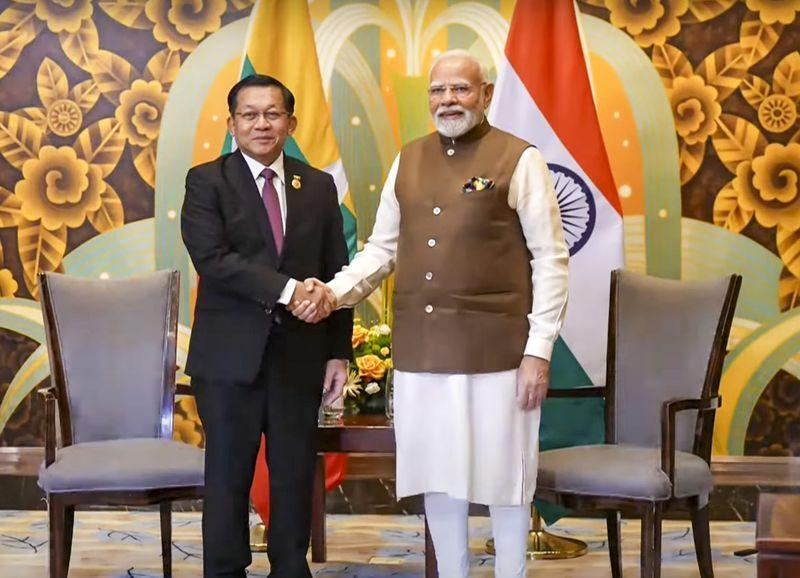
India has once again highlighted its commitment to strengthening ties with neighboring countries as senior leaders from Myanmar and Nepal visited the country. The visits are being viewed as a strong indication of New Delhi’s renewed focus on regional diplomacy and its “Neighborhood First” policy, which aims to build stronger political, economic, and security partnerships across South Asia.
The recent engagements come at a time when regional cooperation is becoming increasingly important for economic growth, border security, connectivity projects, and geopolitical stability. By hosting leaders from Myanmar and Nepal, India has sent a clear message that maintaining strong relationships with its immediate neighbors remains a key foreign policy priority.
India and Myanmar Strengthen Strategic Cooperation
Myanmar holds significant strategic importance for India due to its shared border with the northeastern states. During the visit, leaders from both countries discussed a range of issues including border security, trade, connectivity, infrastructure development, and regional stability.
Security cooperation remains a major focus of India-Myanmar relations. Both nations have worked together in the past to address cross-border challenges and enhance security in border regions. Discussions during the visit also emphasized preventing the misuse of territory by insurgent groups and promoting peace and stability along the border.
Apart from security, connectivity projects were also highlighted. Improved road, transport, and trade links between the two countries are expected to boost economic activity and strengthen people-to-people connections. India sees Myanmar as a crucial gateway to Southeast Asia under its Act East Policy, making bilateral cooperation even more important.
Nepal Remains a Key Partner
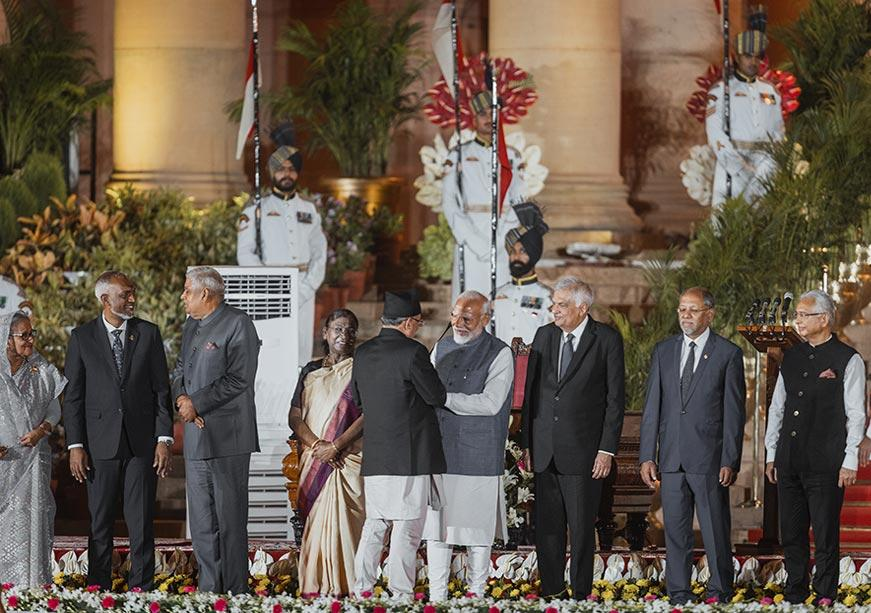
Nepal continues to be one of India’s closest neighbors, sharing deep historical, cultural, religious, and economic ties. The visit by Nepalese leaders reflects the ongoing efforts by both countries to maintain close cooperation and address common challenges.
India and Nepal have traditionally collaborated on trade, energy, infrastructure, and development projects. Discussions during the visit focused on enhancing bilateral relations and identifying new opportunities for cooperation.
The relationship between the two countries is unique because of the open border, which allows citizens to travel freely for work, education, and business. Strengthening these ties is expected to benefit both nations and contribute to regional prosperity.
Neighborhood First Policy in Action
The visits of leaders from Myanmar and Nepal are widely seen as an example of India’s Neighborhood First policy in action. The policy emphasizes building trust, improving connectivity, supporting development initiatives, and fostering mutual growth among neighboring countries.
Over the years, India has invested in infrastructure projects, humanitarian assistance, disaster relief operations, and development programs across the region. These efforts have helped strengthen diplomatic relationships and reinforce India’s role as a reliable partner in South Asia.
The renewed diplomatic engagement also comes amid growing competition for influence in the region. By maintaining strong and constructive relationships with neighboring countries, India aims to promote stability and ensure that regional development benefits all stakeholders.
Focus on Economic Growth and Connectivity
Economic cooperation was another key theme during the recent discussions. Enhanced trade routes, improved transportation networks, and infrastructure development can create new opportunities for businesses and investors across the region.
For Myanmar, stronger connectivity with India can improve access to markets and support economic development. For Nepal, ongoing cooperation in sectors such as hydropower, tourism, and trade can contribute to sustainable growth.
Regional connectivity projects are expected to play a major role in strengthening economic integration and creating long-term benefits for neighboring countries.
Regional Stability and Security
Security remains a critical concern for South Asia. India’s discussions with neighboring countries often focus on maintaining peace, addressing cross-border challenges, and preventing threats that could impact regional stability.
The meetings with leaders from Myanmar and Nepal provided an opportunity to exchange views on security issues and reinforce commitments to cooperation. Strong partnerships in this area are considered essential for ensuring long-term peace and development throughout the region.
Conclusion
The visits of Myanmar and Nepal leaders demonstrate India’s continued commitment to strengthening relationships with its neighbors. Through diplomatic engagement, economic cooperation, connectivity projects, and security partnerships, India is working to build a more stable and prosperous regional environment.
As regional dynamics continue to evolve, maintaining close ties with neighboring countries will remain an important part of India’s foreign policy strategy. The recent visits serve as a reminder that strong neighborhood relations are essential for shared growth, security, and long-term development across South Asia.
Source: Hindustan Trends