




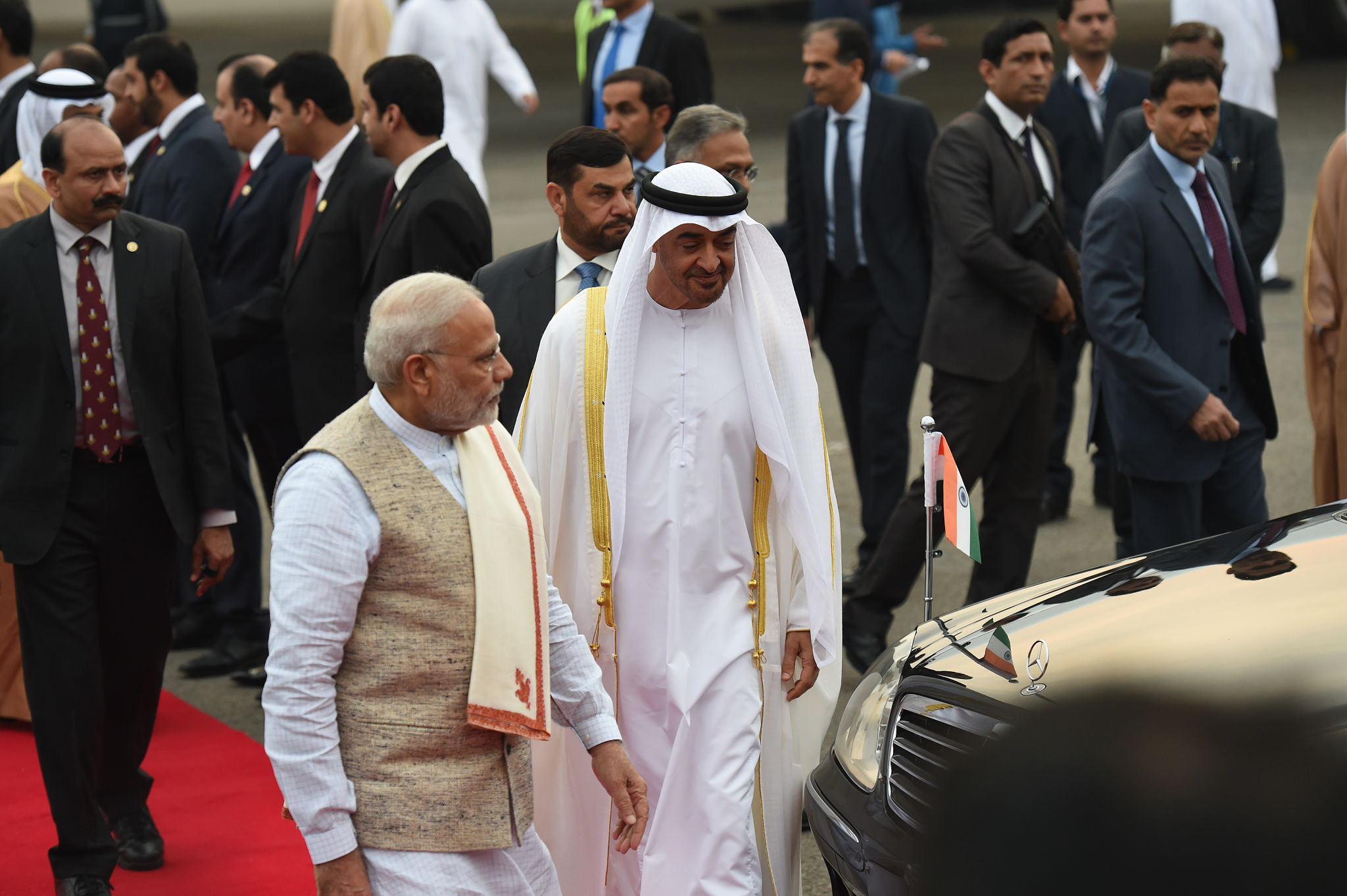
In a significant development that has drawn attention across South Asia and the Middle East, the United Arab Emirates (UAE) has withdrawn from a proposed agreement to manage Pakistan’s Islamabad International Airport. The decision came just days after UAE President Sheikh Mohamed bin Zayed Al Nahyan concluded a high-profile visit to New Delhi, where India and the UAE reaffirmed their growing strategic partnership. While officials have not directly linked the two events, the timing has sparked intense geopolitical discussion.
According to reports, the UAE had been in talks with Pakistan to take over operations and management of Islamabad International Airport as part of Pakistan’s broader plan to attract foreign investment and improve the efficiency of its aviation infrastructure. The plan was seen as a crucial step for Pakistan, which is currently facing severe economic challenges, including foreign exchange shortages, rising debt, and pressure from international lenders.
Why the Deal Fell Through
Sources familiar with the matter indicate that the UAE ultimately “lost interest” in the project due to operational and commercial concerns. One of the key issues reportedly was the inability to find a suitable local partner in Pakistan to meet the project’s requirements. Additionally, questions over revenue-sharing, long-term profitability, and regulatory clarity may have played a role in the Emirati decision to step back.
For Pakistan, the collapse of the airport deal is a setback. The government had hoped that foreign management would modernize airport operations, improve service quality, and generate much-needed revenue. Islamabad International Airport, inaugurated in 2018, has faced criticism over underutilization and financial sustainability, making foreign expertise especially valuable.v
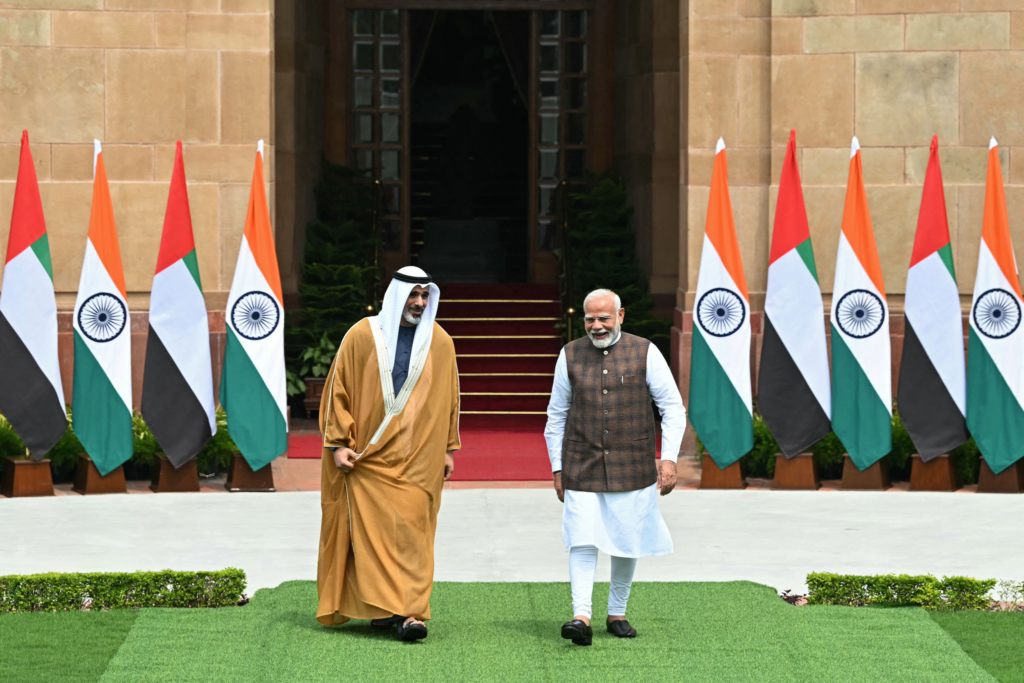
The timing of the UAE’s move is what has made this development particularly noteworthy. Just days before the deal was scrapped, Sheikh Mohamed bin Zayed was in New Delhi for talks with Indian leaders. During the visit, India and the UAE discussed cooperation across a wide range of sectors, including defence, trade, energy, food security, space, and technology.
India–UAE relations have grown rapidly over the past decade. The UAE is one of India’s largest trading partners, and both countries share strong people-to-people ties, with millions of Indians living and working in the Gulf nation. Major initiatives such as the India–Middle East–Europe Economic Corridor (IMEC) and increased defence collaboration reflect how central the UAE has become to India’s West Asia policy.
While there is no official statement linking the airport decision to India–UAE relations, analysts believe that Abu Dhabi’s strategic priorities are increasingly aligned with stable, long-term partnerships. India’s large market, economic growth, and diplomatic consistency may be influencing the UAE’s investment focus in the region.
Impact on Pakistan–UAE Relations
Pakistan has traditionally enjoyed close ties with the UAE, especially through labour migration, remittances, and defence cooperation. Millions of Pakistani workers live in the UAE, and remittances from the Gulf are a vital source of foreign exchange for Pakistan.
However, in recent years, Pakistan–UAE relations have shown signs of strain. Financial assistance from the UAE has become more cautious, often tied to strict conditions. The airport deal’s cancellation may further underline Abu Dhabi’s more selective approach toward investments in Pakistan, particularly amid economic uncertainty and political instability.
Adding to the complexity, Pakistan has recently strengthened defence cooperation with Saudi Arabia, including agreements that emphasize mutual security support. This comes at a time when regional dynamics involving Saudi Arabia, the UAE, and their differing approaches to regional conflicts and investments are evolving.
Economic and Strategic Implications
From an economic standpoint, the UAE’s withdrawal sends a concerning signal for Pakistan’s efforts to attract foreign direct investment. Infrastructure projects, especially in aviation and logistics, rely heavily on international confidence. Losing a partner like the UAE may make it harder for Pakistan to convince other global players to step in.
Strategically, the development highlights how Gulf countries are recalibrating their South Asia policies. Rather than relying solely on historical ties, they are increasingly guided by economic returns, political stability, and long-term strategic value. In this context, India appears to be gaining ground as a preferred partner.
What Lies Ahead
For Pakistan, the immediate challenge will be to reassess its airport privatization strategy and explore alternative investors, possibly from other Gulf states, East Asia, or domestic private players. Structural reforms, regulatory clarity, and political stability will be crucial if Islamabad hopes to revive investor interest.
For India, the episode underscores the momentum in its relationship with the UAE. Strong diplomatic engagement, coupled with economic cooperation, continues to enhance India’s standing in the Gulf region.
In conclusion, while the UAE’s decision to scrap the Pakistan airport deal may have been driven by commercial considerations, its broader implications cannot be ignored. The episode reflects shifting regional alignments, the growing strength of India–UAE ties, and the challenges Pakistan faces in navigating an increasingly competitive geopolitical and economic landscape.