






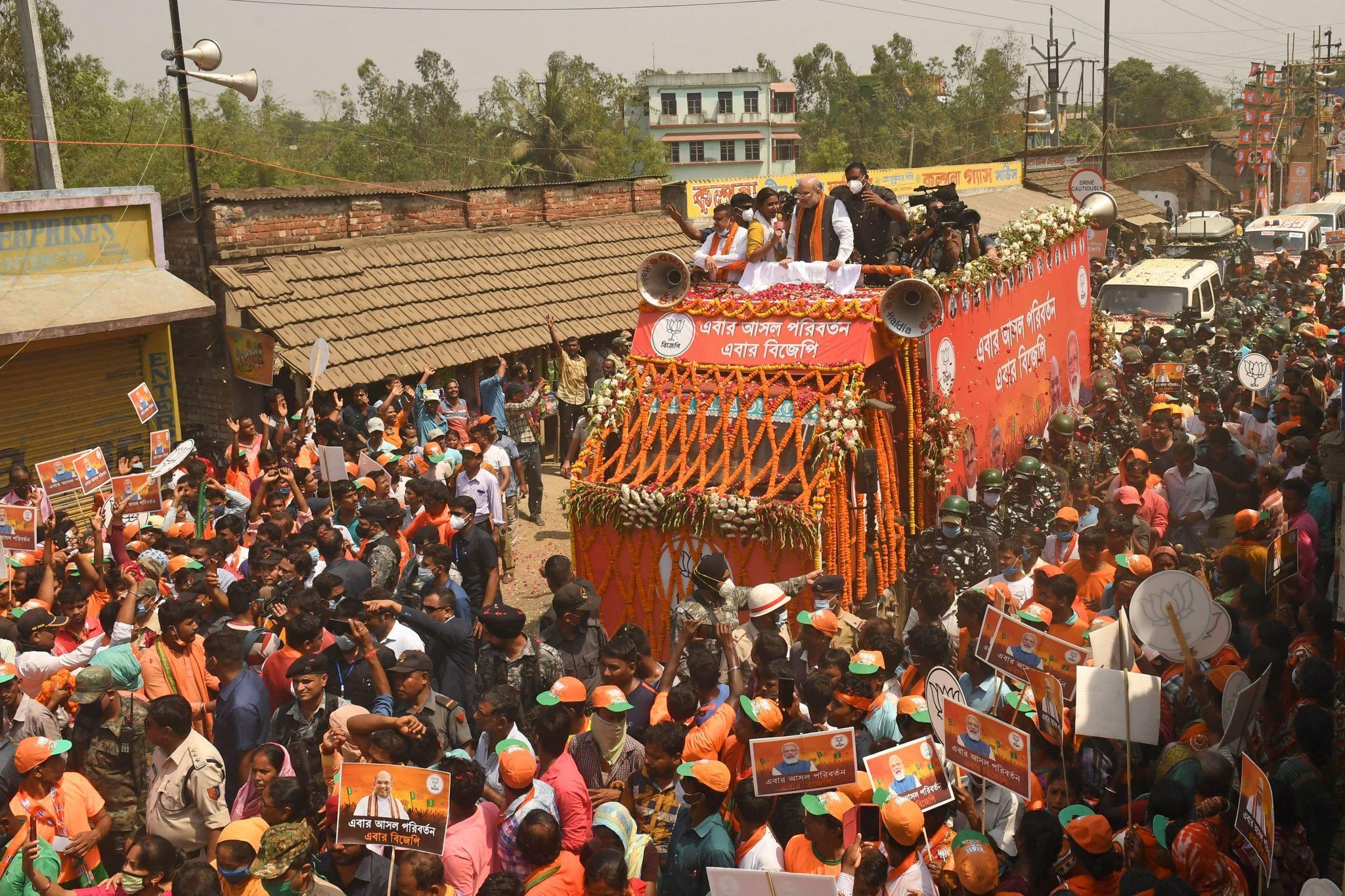
Politics in West Bengal has always followed its own rhythm. Unlike many other states, Bengal’s voters have historically leaned towards strong regional leadership. That’s why All India Trinamool Congress (TMC), led by Mamata Banerjee, has remained dominant for years.
But the entry and rise of Bharatiya Janata Party (BJP) has clearly changed the political equation.
Let’s first talk about the actual numbers, because without them, the story feels incomplete.
In the 2021 West Bengal Legislative Assembly election, the results were:
- TMC: 213 seats
- BJP: 77 seats
- Others (including Left + Congress): 4 seats
Now here’s the interesting part—BJP didn’t win the election, but jumping to 77 seats was a massive rise compared to its earlier performance (just 3 seats in 2016). That’s the shift everyone is talking about.
So technically, BJP didn’t “win Bengal,” but it definitely became a serious challenger.
A Growth That Can’t Be Ignored
A few years ago, BJP was barely visible in Bengal politics. Today, it’s the main opposition. That kind of growth doesn’t happen by accident.
A big reason behind this rise was aggressive campaigning led by leaders like Narendra Modi. Large rallies, strong messaging, and a clear focus on expansion helped BJP enter spaces where it earlier had little presence.
At the same time, the party focused on issues like development, governance, and law and order—topics that connected with a section of voters looking for change.
But Why Didn’t BJP Win?
This is where things get real.
Despite the strong push, BJP couldn’t cross the finish line. The biggest reason? TMC’s deep-rooted ground network.
Mamata Banerjee’s image as a grassroots leader still holds strong in Bengal. Her direct connect with people, along with welfare schemes, gives TMC a solid advantage that goes beyond just election campaigns.
In Bengal, elections aren’t just about big speeches—they’re about local connections, booth-level strength, and trust built over time. That’s where BJP is still catching up.
Vote Share vs Real Power
Another important point people often miss is the difference between vote share and actual seats.
BJP’s vote share increased significantly, which shows growing support. But converting that support into winning seats across regions is a different challenge altogether.
In simple terms:
👉 Support mila, lekin evenly spread nahi tha
👉 TMC ka base zyada strong aur consistent tha
Is This a Temporary Wave or Long-Term Shift?
Now comes the big debate.
Some believe BJP’s rise was just a result of strong national momentum and heavy campaigning. According to this view, without a strong local face, it may struggle in the long run.
Others argue that this is just the beginning. BJP has already built a foundation, and with time, it could become even stronger in Bengal.
The truth probably lies somewhere in between.
The Role of Regional Identity
Bengal is not just another state politically—it has a strong cultural and regional identity. Voters here often prefer leaders who feel “local” and relatable.
This is one area where TMC still has an edge. BJP, being a national party, is still working on building that same emotional connect.
What Lies Ahead?
Looking forward, Bengal politics is no longer one-sided. The competition has clearly increased.
- BJP is expanding and trying to strengthen its base
- TMC is defending its position while adapting to new challenges
The next elections will be crucial in deciding whether BJP’s rise continues or slows down.
Final Thoughts
So, did BJP win in Bengal?
👉 No, not in terms of forming the government.
But did it change the political landscape?
👉 Absolutely yes.
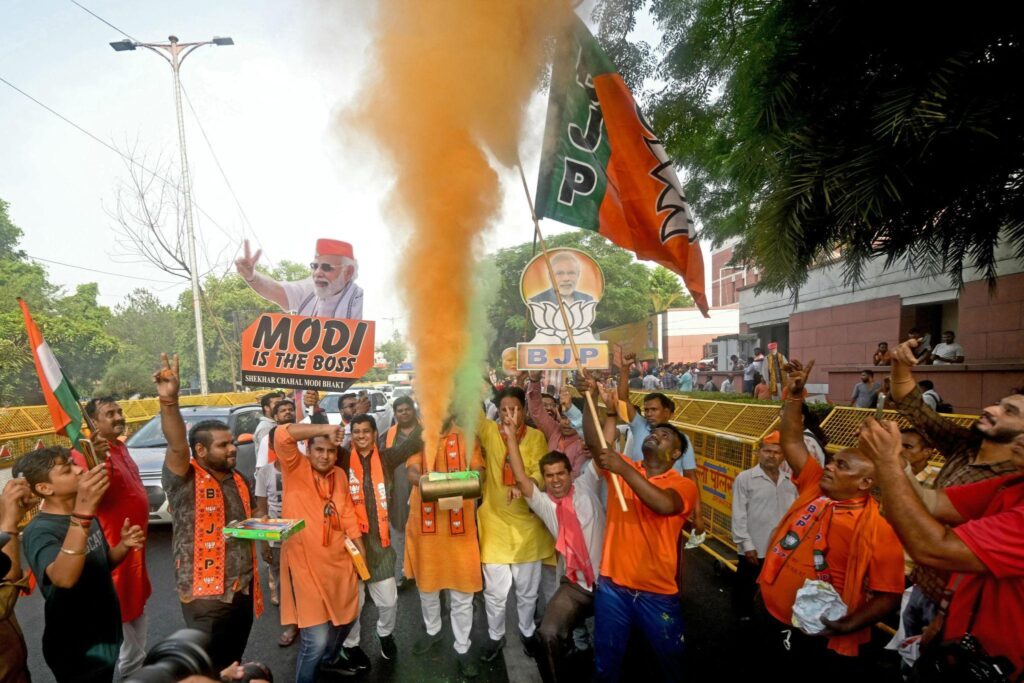
From 3 seats to 77 seats, that’s not just growth—that’s a clear signal that Bengal politics is evolving.
Now the real question is:
👉 Will BJP turn this growth into power in the future?
👉 Or will TMC continue its dominance?
One thing is certain—West Bengal has become one of the most interesting political battlegrounds in India right now.
Thanks for sharing this useful information.
thanks bro